When homesteading, very often, it is a shoestring operation at least for a while. Eventually, maybe, there is financial excess and the ability to do things the convenient way, but for the first years it is always a down-to-the-wire, more projects than money or time proposition. As such, there is a mindset that develops –make it work. Instead of throwing something away and buying new, you fix, reuse, repurpose, jerry-rig, and find a million and one uses for scrap wood. When you add to the basic mindset the fact that we are **trying** to get to a low/no plastic waste lifestyle, it makes us very careful about how we deal with broken things.
Take today, perhaps. The tent wherein we, once upon a time, lived, has been used for storage since we moved into the bus. It is half-clad in steel and is considerably more wind-stable now than it was before. It isnt impervious, though. The end caps are still just the tarp material. One solid, one with double zippers. One of the zipper feet got broken off last week, and as is often the case, the wind has ripped the zipper open. With no way to reclose it, the tent was at risk of ripping itself down in the wind. So. Do we a) wait and see how long it takes to destroy itself, b) try to buy a new zipper foot on Amazon c) figure out a way to fix it using items already on hand?
The answer is c of course. I considered b for a few minutes, but that would necessitate several days where a might be a possibility and wouldn’t necessarily work. So…what do we have on hand? Well, Tuck tape, of course. Let’s try that.
Fail.
60km/hr winds flapping the tent will not be defeated by no stinking Tuck Tape.
Zipties would mean cutting holes in the tarps, which is no bueno.
Wood? No, that doesnt make sense. How would that work?
Eventually, I ended up out there with my sewing kit. I discovered very quickly that working from the top down was just going to drive me to drink. Every time the wind blew, the flap would flap and the thread would snap and I’d be back at square 1. By trial and frustrating error, I ended up working from the bottom up, with 4 strands of thread at once. An hour got me 2/3 of the way up. But to finish, I will need an extra set of hands on the outside.
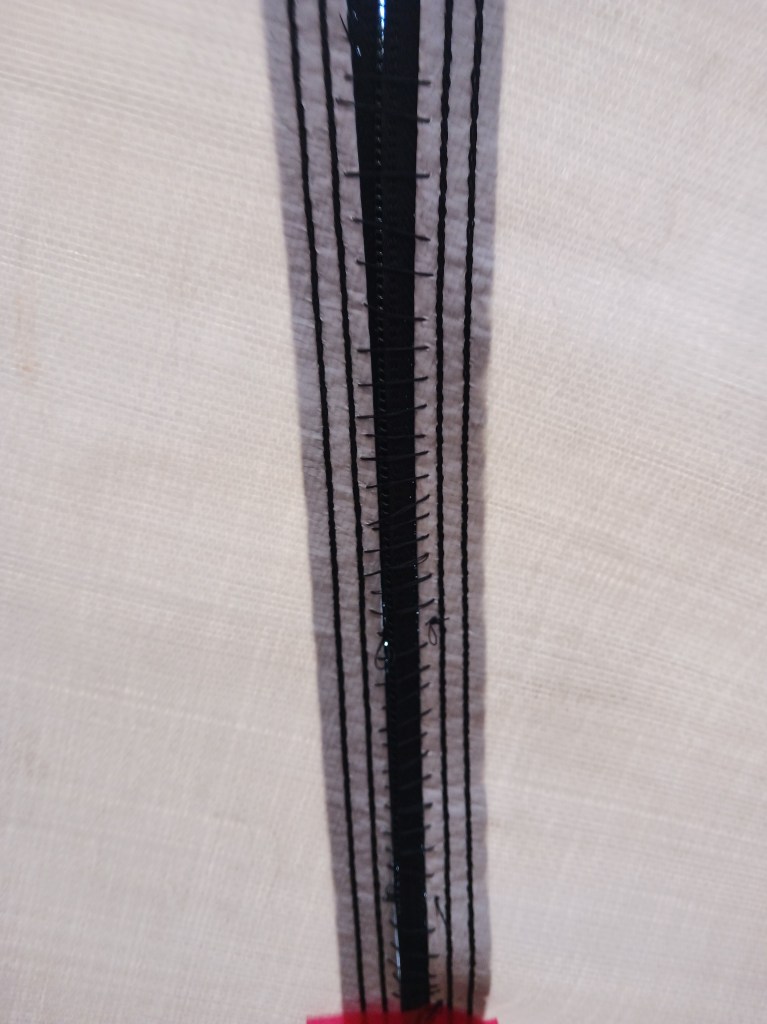
Probably not what would be recommended by the manufacturer, and most definitely voids my warranty, but you work with what you have. Once the sewing is complete, and a strip of tuck tape is applied both inside and out, it should be more secure than it was originally.
Ultimately, I will of course have to figure out how I plan to cap the ends for the long term. But that is low on the list for now.
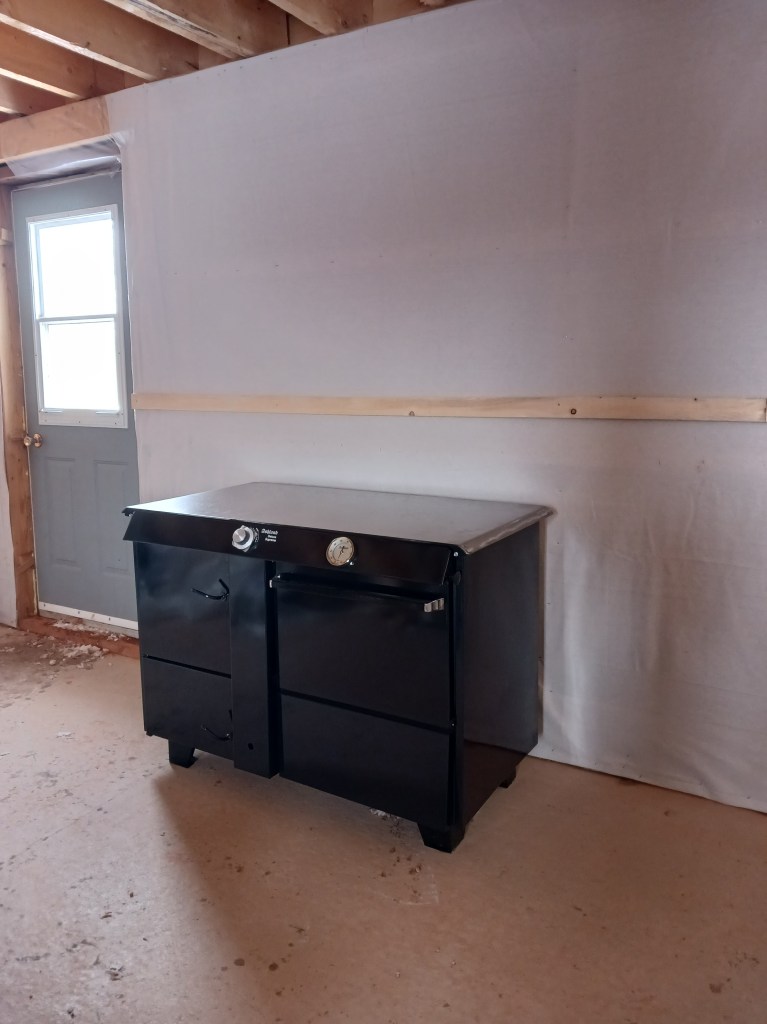
In other news: The stove arrived today! We still need to acquire heatboard and the internal and external double-walled pipe, but that at least can be carried up the driveway even if it is a muckhole at the time.
 Off The Beaten Path